Twelve months. Twelve modules. Something real to sell.
Twelve modules across twelve months. Each one ends in something finished, so the program is measured in artifacts rather than attendance. The first modules are not about business at all — they are about seeing that building is normal and learning to decide what is worth continuing. Only then do customers, products and pricing land. For some participants that becomes a company. More often it becomes a service, a small business, or a skill finally packaged, put online and charged for.
AI-firstCulture before businessNo idea requiredStartup optionalThree site visits
How the modules stack
Modules 1–3
Decide before you build
Building is no longer the constraint, so the scarce skill is deciding what deserves to exist. The opening modules put something rough in everyone's hands, then train the judgement to continue it, park it, or kill it. Most programs skip this and leave participants with a graveyard of half-finished prototypes.
Modules 4–7
Real customers, real products
Participants leave the room and find someone who already exists. Field Day takes the cohort into local businesses with a structured protocol and returns with a named owner and a specific problem. Everything built afterwards is built for that person.
Modules 8–12
Sell it and place it
Pricing, a first paying customer, the words to explain it, and a route out that is named rather than averaged. A company is one possible exit, not the target.
Twelve modules, in order
Module 1M1
01
Build sprint
Two days, in person. Teams form around problems people care about, and everyone leaves with something rough and working. No idea, team or coding experience required to walk in.
Two days, on siteTeams formed in the roomEveryone ships something
Module 2M2
02
Continue, park, or kill
The first module after the sprint, and the one that defines the program. Each participant applies three questions to what they made: did anyone outside the team ask for it, can you name one person who would notice if it disappeared, and did you build it because it was needed or because it was buildable. Every participant leaves with a written decision and a reason.
A written decision eachParked ideas get a reopen conditionKilled ideas get one line learned
Module 3M3
03
Make something, badly
Small finished things every session: a page, a message sent, a poster. Rough on purpose. What is being trained is the tolerance for showing unfinished work, because everything later depends on that habit.
One finished thing per sessionShown to the roomRough is the point
Module 4M4
04
Talk to strangers
Participants speak to ten people who do not owe them politeness. Most discover their assumption was wrong, which is the cheapest useful lesson in the program.
Interview scriptTen real conversationsNotes in their words
Module 5M5
05
Field Day
In person. The cohort goes into local businesses with a structured protocol and trained facilitators, and each participant returns with a named owner and one specific problem. This is the module that cannot be bought locally.
On site, in the fieldA named business ownerOne specific problem
Module 6M6
06
Build it
Working sessions with AI tools introduced only when a blocker calls for them. For most participants this is the first time their work exists online at all. Something clickable exists at the end of every session.
Something clickable weeklyTools on demand, not on showA working v1
Module 7M7
07
Price it
What it costs, what it is worth, and what someone will actually pay. Priced against a real customer rather than a market size slide.
A named priceCosted honestlyTested on a real buyer
Module 8M8
08
Sell it
Messages sent in the room to the people interviewed in modules 4 and 5. The module ends in a first paying customer or a written letter of intent, not in a plan to sell.
Sent from the roomFirst paying customerOr a written LOI
Module 9M9
09
Say it clearly
If a participant cannot say in three minutes what they built and who it is for, it did not happen. Practised, recorded, and cut down until it lands.
Three minutesRecorded and reviewedNo slides
Module 10M10
10
Who does what
Roles, responsibilities and the honest conversation about who is actually doing the work. Solo participants use this module to decide what they need to hire, trade or learn.
Named rolesOr a named gapWritten down
Module 11M11
11
Money that is not customers
Grants, competitions, accelerator applications and early investment, for the participants that route applies to. Everyone leaves with one application submitted or a documented decision not to.
One application submittedOr a decision not toAccelerator routes named
Module 12M12
12
Demo Day
In person, public, with local partners and press in the room. No certificates. Each participant exits into something specific: a paying customer, a registered business, a job search with a portfolio behind it, or a paid facilitator slot on the next cohort. Exits are reported individually rather than averaged.
Public demo, on siteNamed exit per participantWritten report to the partner
Each module ends in something finished, so the program is measured in artifacts rather than attendance.
I spend the first modules on judgement, not curriculum. Once people can tell the difference between an idea worth continuing and one worth killing, everything after that gets faster.
Deciding is the AI-first skill
Tool training depreciates. The interface you teach in September is not the interface in use a year later, and any local provider can copy a tools session by watching one. What does not depreciate is knowing what deserves to be built at all, which is the thing that became scarce when producing got cheap.
Not a startup program
Most participants will never raise money and do not want to. They want their work to exist online, to be findable, and to be paid for. If a company comes out of it later, good, but that is not what is being measured.
Three visits, nine online
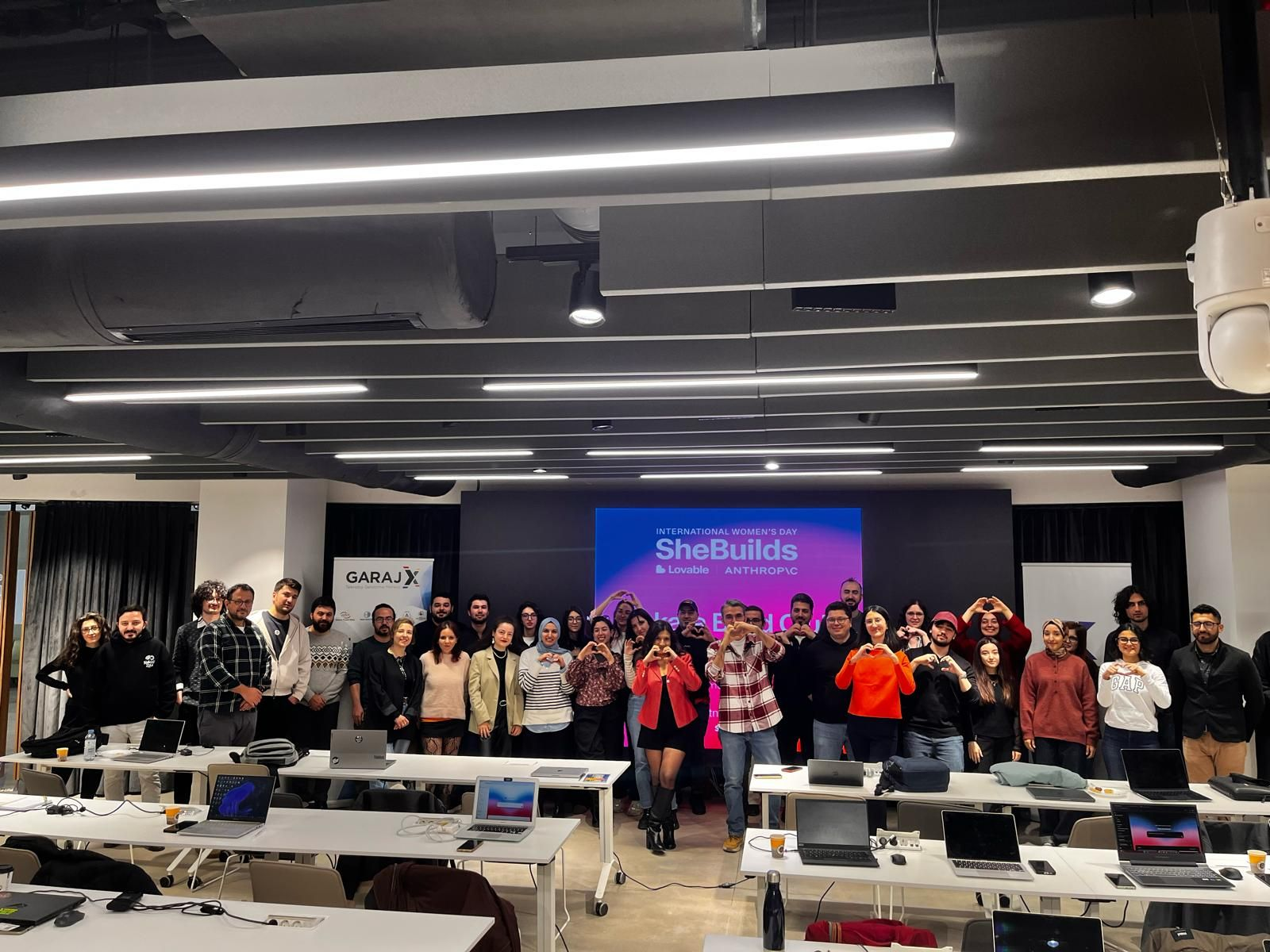
Modules 1, 5 and 12 are in person. The other nine run online. That keeps delivery affordable without removing the two moments that only work in a room: the sprint that starts it and the field work that grounds it.
Each module ends in something finished
Modules are not chained by hard prerequisites. Whoever shows up in a given month leaves with one finished thing; whoever shows up every month stacks them. Care work, school and jobs are assumed rather than treated as dropout.
Manual before tools
Nobody opens a builder tool in the first weeks. Doing the task by hand first is what stops participants building something beautiful that nobody asked for.
It runs without us next time
Participants who convert on none of the other routes are trained and paid to facilitate the following cohort. That is how a second year happens without flying anyone in.